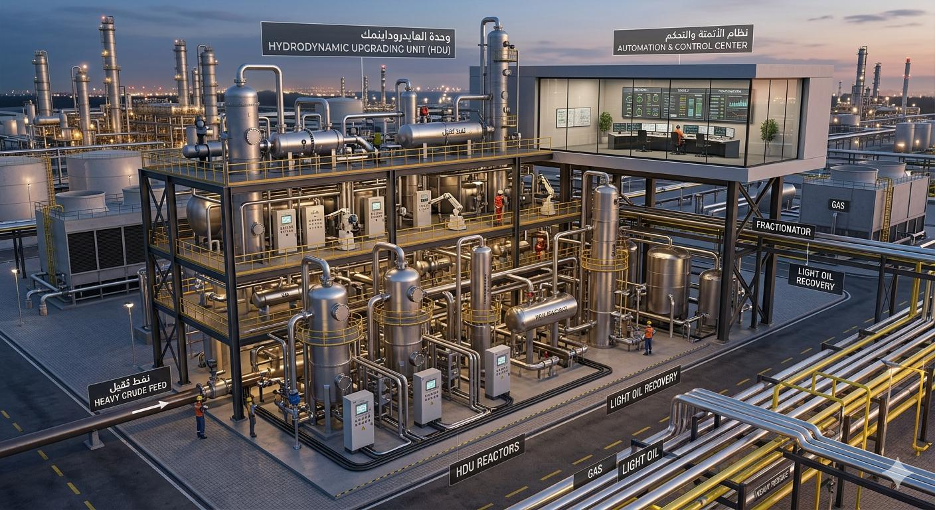
Upgrading Cracking Technology
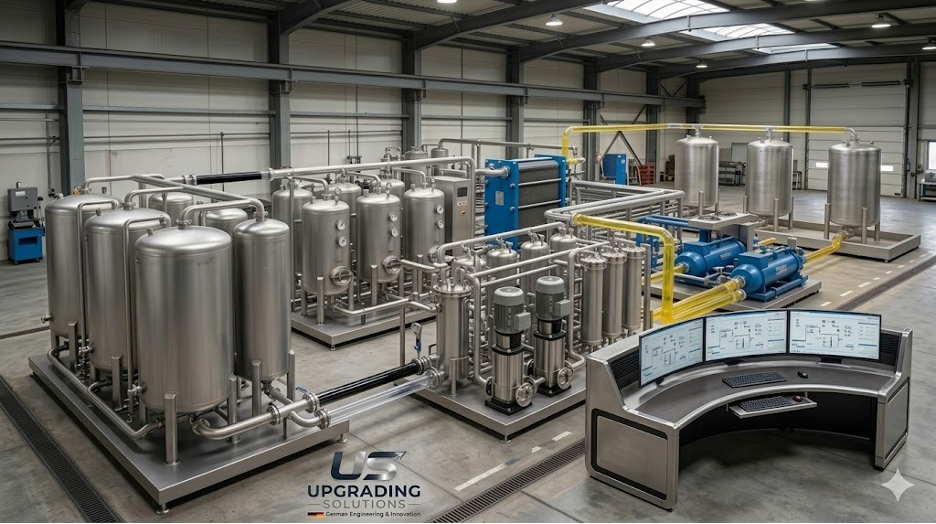
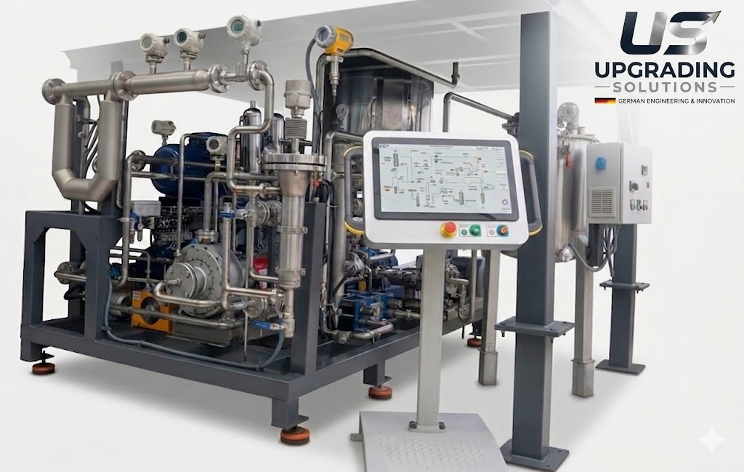
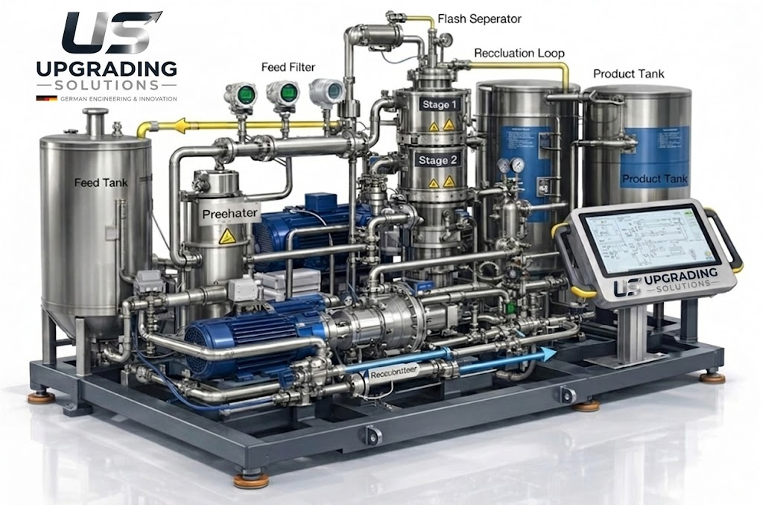
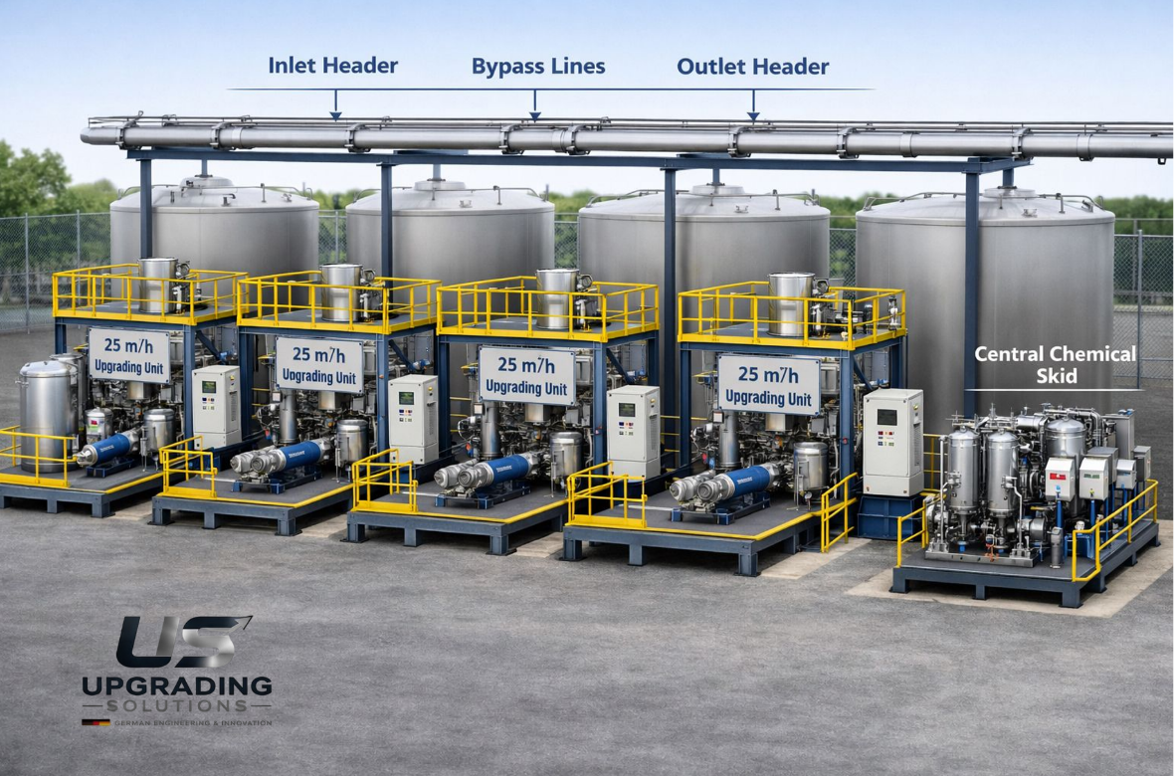
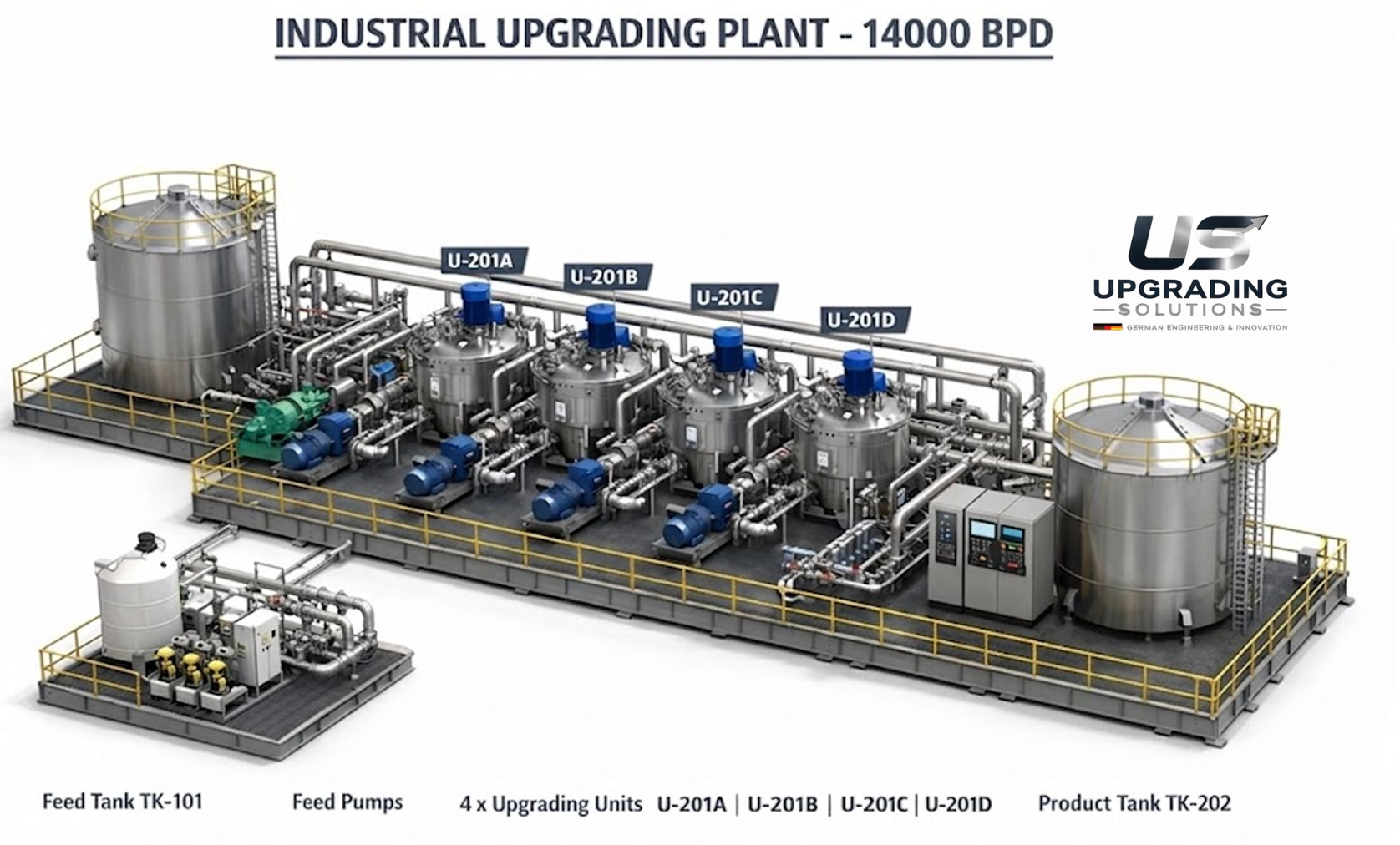
This compact industrial unit has been designed to deliver precise fluid processing, efficient filtration, and full process control across a wide range of industrial applications.
The system combines a high-performance pump with a variable frequency drive, enabling accurate adjustment of flow rate and operating parameters. Its stainless-steel construction ensures outstanding durability, corrosion resistance, and reliable operation in harsh environments.
The unit is equipped with an integrated filtration vessel that provides highly efficient liquid separation and purification. In addition, the pressure monitoring system and safety valve ensure reliable and safe performance under various operating conditions.
Its flexible piping system, fitted with high-quality valves and connections, allows for easy installation, maintenance, and operational flexibility.
Key Features:
- Precise flow control
- Integrated filtration and separation system
- Stainless steel construction for extended service life
- Built-in safety valve for overpressure protection
- User-friendly operation via digital control panel
- Suitable for continuous industrial operation
Applications:
- Chemical industries
- Seawater, wastewater, and well water treatment systems
- Hydrocarbon oil processing
- Industrial filtration processes
- Laboratories and pilot systems
Supporting a Cleaner Environment and a More Sustainable Future
We are committed to developing technologies that reduce environmental impact and promote responsible resource management.
Our systems contribute to lower emissions, reduced waste, and improved resource efficiency. By converting waste into usable energy and producing clean drinking water from seawater, we help organizations meet sustainability goals and regulatory requirements while maintaining operational productivity.
Heavy Oil To Light Oil Increasing Api
The upgrading of heavy oil to lighter oil is a crucial process in modern petroleum refining, aimed at improving crude oil quality and increasing its economic value. One of the key indicators of oil quality is API gravity, which measures how light or heavy a petroleum liquid is compared to water. Higher API gravity values indicate lighter, more valuable crude oil.
Heavy oil is characterized by high viscosity, high density, and the presence of large, complex hydrocarbon molecules, along with significant amounts of sulfur, metals, and other impurities. These properties make it difficult to transport, process, and refine into valuable products.
To address these challenges, several upgrading technologies are employed, including thermal cracking, catalytic cracking, and hydrocracking. Thermal cracking uses high temperatures to break down large hydrocarbon molecules into smaller ones. Catalytic cracking enhances this process using catalysts to improve efficiency and selectivity. Hydrocracking, which involves hydrogen under high pressure, not only breaks down heavy molecules but also removes sulfur and improves product quality.
As a result of these processes, the molecular structure of heavy oil is transformed into lighter fractions such as gasoline, diesel, and jet fuel. This leads to a decrease in density and viscosity, and a significant increase in API gravity. Consequently, the upgraded oil becomes easier to transport, more efficient to refine, and more valuable in the global market